
Which container material should I choose?
Choose based on weight, food compatibility and your workplace facilities. Glass can be heavy; suitable plastic can be lighter; stainless steel should not go in a microwave unless the specific manufacturer explicitly allows it. Material alone does not establish leak resistance or overall quality.
Glass: check transport weight
Glass may suit reheating when designed for it, but it adds weight and can break. Check the lid instructions separately from the base: a microwave-safe base does not mean the lid is suitable. Avoid sudden temperature changes beyond the product’s stated limits.
Plastic: read the actual instructions
A lightweight container can suit commuting, but verify food-contact suitability, heating directions and dishwasher guidance. Inspect wear and replace damaged items as appropriate. Compartments are useful only if they match your meals; too many can make cleaning awkward.
Steel: good portability, different reheating plan
A steel box may be durable and useful for cold lunches. Check whether it is designed for wet foods and whether seals are removable for cleaning. You may need a separate suitable dish for reheating. Do not infer insulation from appearance alone.
Test the size before buying a set
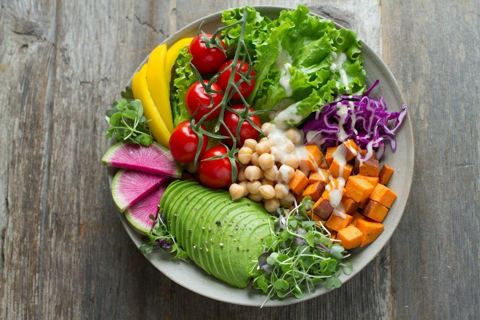
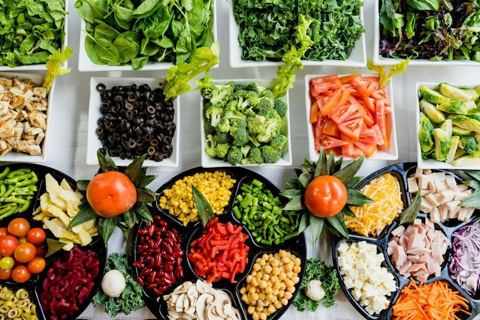
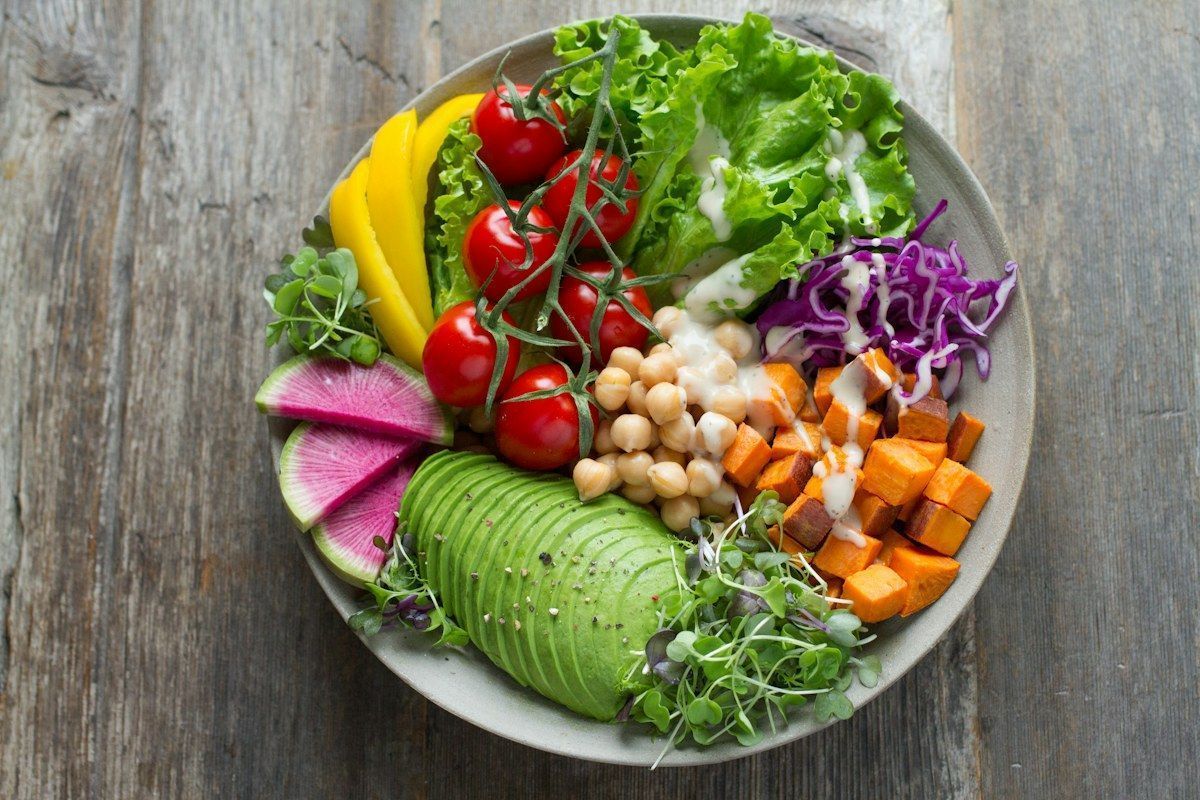
Use a container you own to learn how much room your usual meal needs. Measure your bag and workplace storage. Start with one reliable box rather than a large matching set. Product category photos on this site illustrate meals, not a particular brand endorsement. For a practical next step, read Before you buy: the weight-loss resource checklist.
| Situation or check | What to consider |
|---|---|
| Long commute | Transport weight, seals and cold storage matter. |
| Reheating | Check base and lid instructions separately. |
| Cold lunch | Consider texture, compartments and an easy-clean seal. |
| Small household | Start with one box before purchasing a matching set. |
A tool that may make this easier
Affiliate links may earn us a commission. As an Amazon Associate I earn from qualifying purchases. These are options to evaluate, not products we have tested or guaranteed.
Lunch containers
For people who carry meals to work. A suitable container can make a prepared lunch easier to transport.
Before buying: Check size, seals, weight and manufacturer heating instructions. A container is not a nutrition plan.
Read the practical considerations · See the free toolkit
Compare lunch containers on AmazonSearch results and seller availability vary. Check delivery and total cost for your country.
Questions readers ask
Does “leak resistant” mean safe loose in my bag?
Not necessarily. Follow the seller’s limits and test cautiously with suitable contents. Keep wet foods upright when needed.
Should I choose an insulated container?
It may be useful, but safe temperature control depends on its performance and your transport time. Follow food-safety guidance rather than relying on a label alone.
Sources & further reading
Public-health reading supports general education, not endorsement of a named program. Seller information is assessed separately. Editorial checks: 3 October 2026.