
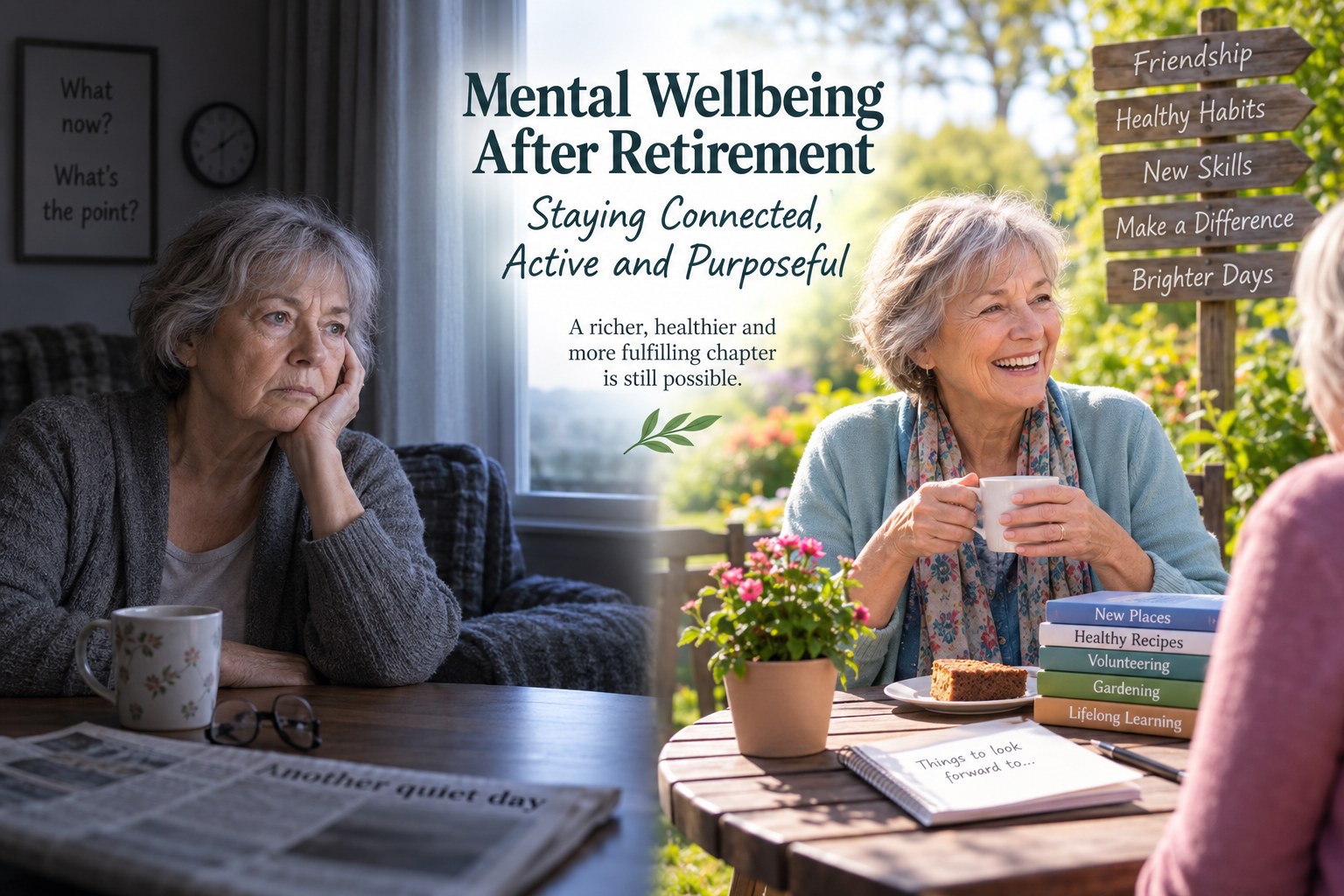
For many people, retirement is something to look forward to.
No alarm clock. No rush-hour traffic. Fewer deadlines. More freedom to decide what to do with our time.
At first, that freedom can feel wonderful.
But working life gave us more than a salary. Without necessarily realising it, work often provided routine, movement, conversation, responsibility, problem-solving and a reason to get up in the morning.
When several of those things disappear at the same time, some people adjust beautifully. Others may slowly find their world becoming smaller.
When Life Becomes Too Quiet
There is nothing wrong with slowing down. Retirement should give us permission to rest, enjoy quieter mornings and live at a gentler pace.
The concern is when a quieter life gradually becomes a disconnected life.
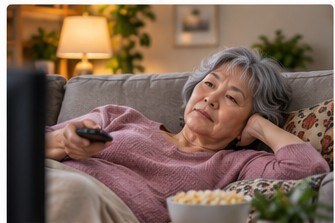
Someone who once left home every morning, talked to colleagues, solved problems and moved around throughout the day may suddenly have nowhere they need to be. One quiet morning becomes another. Going out becomes less frequent. Television or the phone fills more hours. Meals may become less regular. There may be fewer plans for tomorrow or next week.
Nothing dramatic has happened — but little by little, life has become smaller.
Loneliness Is More Than Simply Being Alone
Some people genuinely enjoy spending plenty of time on their own. Loneliness is different. It is the feeling that the connection or companionship we need is missing.
Retirement may coincide with other changes: children living elsewhere, friends moving away, losing people we love, health difficulties or no longer getting around as easily.
WHO (World Health Organization) identifies social isolation and loneliness as key risk factors for mental health conditions in later life. It also notes that meaningful social activities can improve mental health, life satisfaction and quality of life.
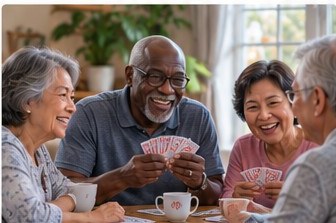
So meeting a friend for coffee, talking to a neighbour, joining a group or calling someone regularly is not simply “passing the time.” Human connection is part of looking after ourselves.
Depression Is Not a Normal Part of Ageing
Everyone has difficult days. But persistent loss of interest, motivation or enjoyment should not simply be dismissed as “getting old.”
A person may stop wanting to go out, lose interest in activities they once enjoyed, withdraw from other people or feel that there is very little to look forward to.
Sometimes depression in older adults does not look like obvious sadness. It may show up as withdrawal, tiredness, lack of interest or difficulty concentrating.
Mental wellbeing deserves the same respect as physical wellbeing. If changes in mood or behaviour continue or begin interfering with everyday life, professional advice is sensible.
What About Dementia?
Many of us worry about losing our memory as we grow older.
Dementia is complex. There is no single lifestyle habit that guarantees we will either develop it or avoid it. However, some risk factors can potentially be modified.
NIA (National Institute on Aging) reports that staying socially engaged may help support cognitive health. A large NIA-funded analysis involving more than 600,000 people also found an association between loneliness and increased dementia risk.
That does not mean that feeling lonely will inevitably cause dementia. It means there is another good reason to protect our social lives, keep our minds engaged and take care of our overall health as we age.

Our Muscles Need a Reason to Work Too
Mental and physical wellbeing are closely connected.
After retirement, some of the movement that happened naturally during a working day may disappear: walking to transport, climbing stairs, moving around a workplace, going out for lunch, carrying things or simply having somewhere to go.
Ageing itself is associated with a gradual loss of muscle mass, strength and function — sometimes called sarcopenia. Too little activity can add to that decline.
NIA (National Institute on Aging) notes that movement and exercise may help protect against age-related loss of muscle mass, strength and function. Muscle-strengthening activities can also make everyday tasks such as getting out of a chair, climbing stairs and carrying groceries easier.
That is why everyday movement matters. Walking, gardening and household jobs can all help keep us moving, while appropriate strength-building activity can help preserve function and independence.

Purpose Matters Too
One of the biggest changes after retirement can be surprisingly difficult to describe:
For decades, people may have introduced themselves through what they did. Retirement can remove that identity almost overnight.
But purpose does not have to come from paid employment.
It might come from helping a friend with a hospital appointment, teaching a child something you know, volunteering, growing vegetables, cooking for someone, learning photography, joining a walking group, planning a holiday, caring for a pet or starting a small personal project.
Purpose does not need to be impressive. It needs to matter to you.

A Healthier Cycle
The encouraging part is that the same areas that can gradually decline can also support one another.
Go for a walk and you move your body. Walk with a friend and you add social connection. Walk somewhere new and your mind gets stimulation. Volunteer to help somebody and you add purpose. Learn something unfamiliar and you give yourself a challenge.
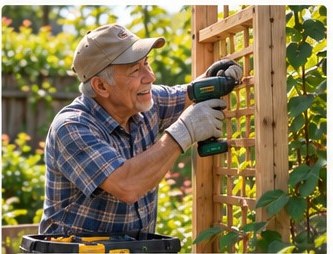
Even practical jobs around the house can help. Fixing a window, painting a shelf, tending the garden or finally repairing that garden trellis that has been waiting for attention can involve movement, problem-solving and the satisfaction of completing something useful.
Try Building These Five Things Into Your Week
You do not need a packed calendar. Aim instead for a little of each:
A coffee on Thursday counts. So does trying a new recipe on Sunday.
Notice When Someone's World Is Becoming Smaller
Sometimes we notice changes in somebody else before they notice them themselves.
A parent, spouse, neighbour or friend who once went out regularly may gradually stop doing so. They may turn down invitations, stop cooking proper meals, spend almost every day at home, lose interest in hobbies or move much less than before.
The answer is not necessarily to tell them to “keep busy.” Sometimes what helps is much simpler: invite them for lunch, ask them to come along to the market, take a short walk together, ask for their help or advice, or bring them somewhere they used to enjoy.
Being needed can feel very different from simply being cared for.
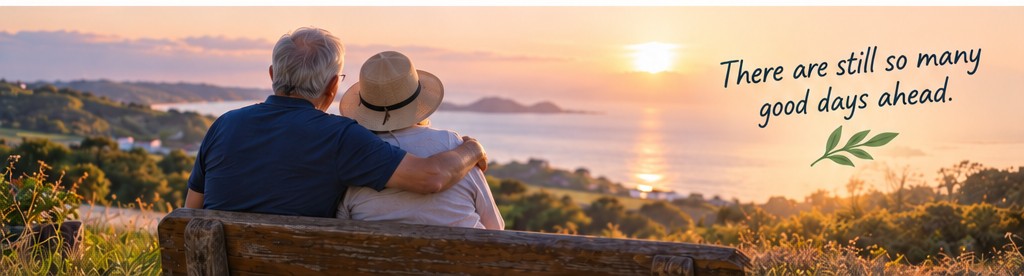
Retirement Can Still Be a Rich Chapter
There can be sadness in ageing. People we love may no longer be around. Our bodies change. Some things become harder. Our roles within our families and communities may change too.
Pretending otherwise would not be helpful.
But neither should we assume that decline and loneliness are an unavoidable part of getting older.
There can still be friendships to deepen. People to help. Places to visit. Recipes to try. Things to learn. Gardens to grow. Conversations to enjoy. And new reasons to get up tomorrow morning.
Retirement does not have to mean filling every hour.
Perhaps the goal is much simpler:
Keep participating in life.
Move a little. Connect with someone. Use your mind. Be useful when you can. And keep something ahead of you worth looking forward to.
One small habit. One practical step. 🌿
Trusted Sources
This article was informed by guidance and research from the WHO (World Health Organization), the NIA (National Institute on Aging) and the CDC (Centers for Disease Control and Prevention).
WHO — Mental health of older adults
NIA — Cognitive Health and Older Adults
NIA — Loneliness linked to dementia risk in large-scale analysis
NIA — Health Benefits of Exercise and Physical Activity
CDC — Older Adult Activity: An Overview
Health note: This article provides general information about healthy ageing and mental wellbeing and is not a substitute for individual medical advice. Persistent changes in mood, memory, strength or ability to manage everyday activities deserve professional assessment.